
Career Exploration | Career Readiness | Digital Curriculum | Middle School | iCEV | Digital Literacy
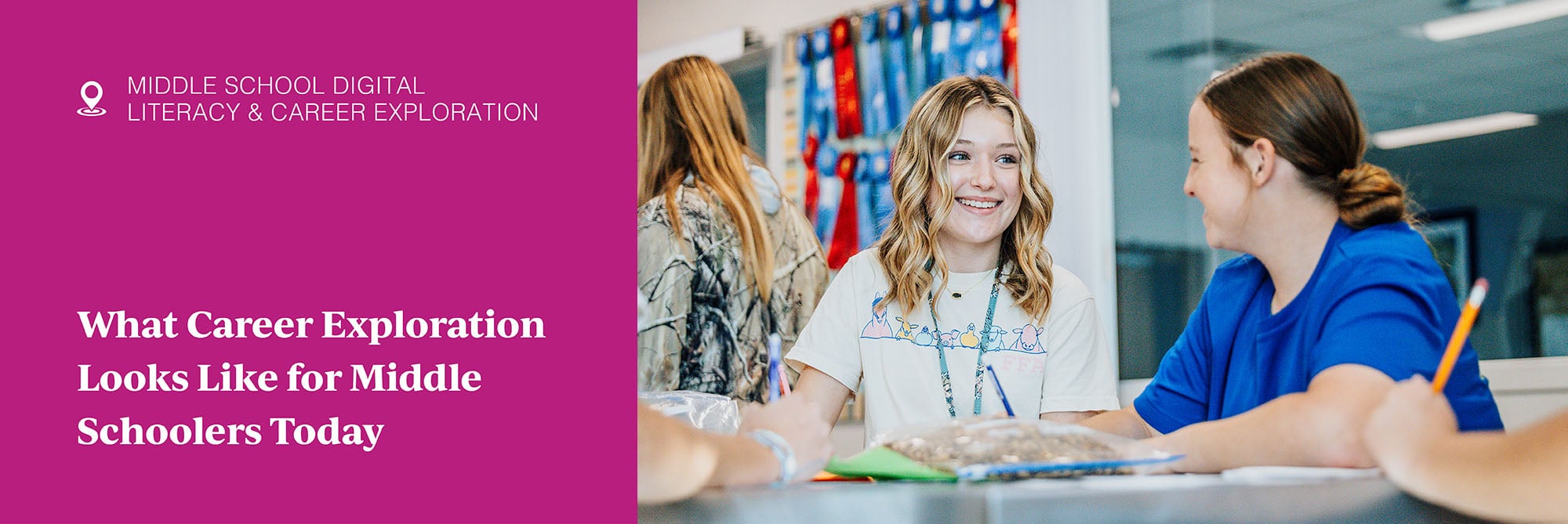

Career exploration for middle schoolers has evolved from simple career day presentations into comprehensive, multi-dimensional programs that serve as a bridge to high school career pathways. What was once a brief introduction to future professions now includes hands-on learning, career cluster rotations, and digital tools that expose students to a wide range of opportunities, laying the groundwork for future academic and career decisions. This shift was accelerated by the reauthorization of the Perkins Career and Technical Education Act (Perkins V), which extended federal CTE funding to middle school programs beginning as early as fifth grade.
Middle school offers a unique developmental window when students are naturally curious, open to possibilities, and less pressured by postsecondary deadlines. Exposure at this stage helps prevent students from prematurely ruling out careers they don't yet understand.
Modern Career Exploration Program Examples
Career exploration for middle schoolers today extends well beyond the traditional career fair. Modern programs are designed to build career awareness, foster interest exploration, and introduce students to the broad possibilities available across multiple industries and disciplines.
Structured Pathway Exposure
Effective career exploration programs offer structured opportunities for students to explore a variety of career clusters. One common model uses rotating modules to introduce students to fields such as Engineering and Construction Management, Business and Entrepreneurship, Health Care, and Education and Human Services. Through hands-on projects and guided instruction, students gain early exposure to the types of work, tools, and problem-solving associated with each pathway.
A key part of that foundation is understanding how today's career landscape is organized. For the 2026–27 school year, iCEV is releasing Introduction to the Modernized Career Clusters Framework, which walks middle schoolers through the updated framework's structure, what's changed from the original model, and how industries are grouped today. It gives students a working mental map of the career world before they begin selecting high school courses.
Technology Integration and Virtual Experiences
Digital tools have transformed how career exploration is delivered. Platforms offering virtual job shadowing, simulated workplace experiences, and online industry tours allow students to explore professions regardless of location or access to physical resources.
These tools expand access and ensure equity, especially in rural or under-resourced schools. Programs like the iCEV Middle School Digital Literacy & Career Exploration Curriculum are designed to support these goals through structured, standards-aligned content. When integrated with classroom instruction, virtual experiences complement hands-on learning and help students visualize how skills and interests connect to real-world career paths.
Engaging Activity Models
Effective programs use a variety of engaging formats to deepen understanding of careers. Interactive models such as “career cafés” allow students to hear from professionals across industries, helping demystify different pathways. Career-themed breakout rooms or problem-solving challenges also promote employability skills such as communication, leadership, and teamwork, while reinforcing career awareness.
Connecting Middle School Exploration to High School Pathways
The true strength of career exploration for middle schoolers lies in its preparation for more confident engagement with high school career pathways. As students explore different clusters—such as health science, business, STEM, and human services—they gain early insight into how specific interests can align with future academic and career options.
While industry certifications are typically earned in high school or postsecondary programs, middle school exploration introduces students to the professional standards and expectations they’ll encounter later. Whether through exposure to real-world tools, simulations, or project-based learning, students begin to understand the preparation and persistence required to succeed in a chosen field.
This early understanding helps demystify the path ahead. When students transition into certification-ready high school programs, they do so with a more realistic perspective—and with greater motivation to meet those expectations.
Practical Implementation Strategies
Creating Comprehensive Programming
Comprehensive career exploration programs combine a variety of activities to ensure all students have access to meaningful and engaging opportunities. These may include career panels, interest and aptitude assessments, workplace tours, mentoring workshops, and career planning sessions with counselors. Learn more about how to incorporate career exploration in middle school with proven classroom strategies.
Assessment and Planning Integration
Career interest inventories and aptitude assessments are powerful tools that help students discover potential career matches aligned with their strengths and preferences. When paired with guided exploration activities, these assessments give students the confidence to explore new ideas while narrowing in on areas of strong interest.
Building Industry Partnerships
Partnerships with local employers bring authenticity to career exploration. When professionals visit classrooms, participate in career panels, or host workplace tours, students gain a clearer picture of what real careers look like—and what it takes to pursue them.
Looking Forward: The Future of Middle School Career Exploration
Career exploration for middle schoolers represents a foundational shift in how education prepares students for their futures. By investing in engaging and accessible experiences during these formative years, schools equip students with the tools to pursue fulfilling careers and contribute meaningfully to the workforce.